 Raw materials
Certified palm oil
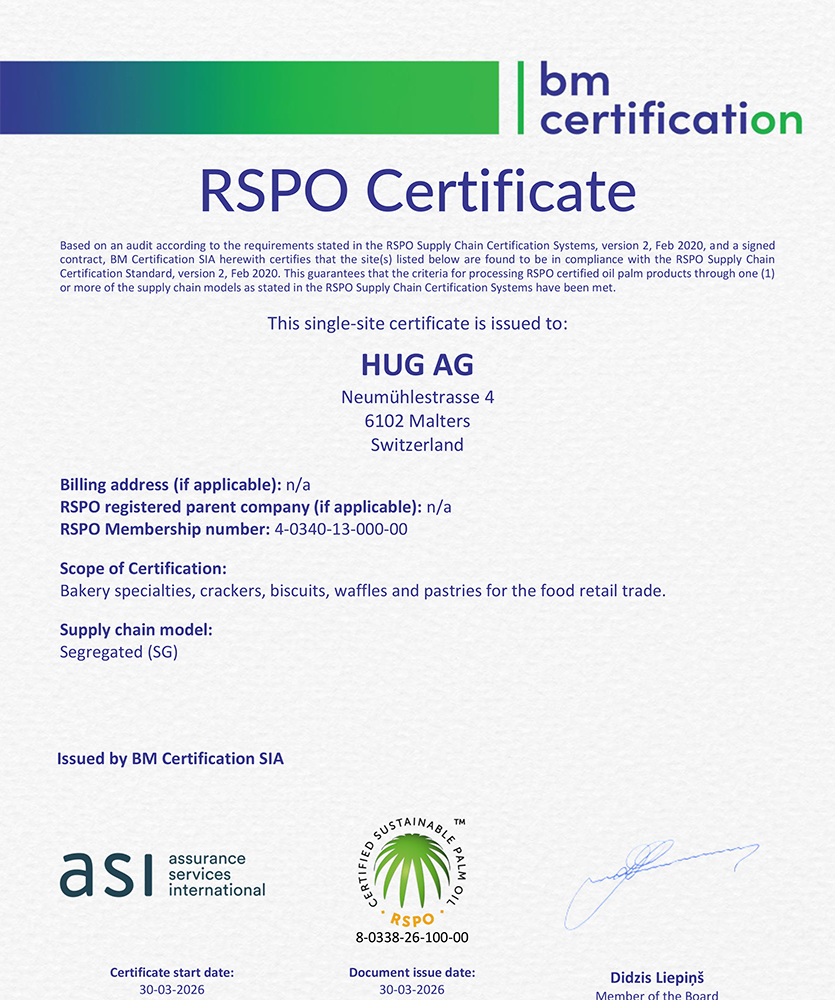
We source RSPO-certified palm oil
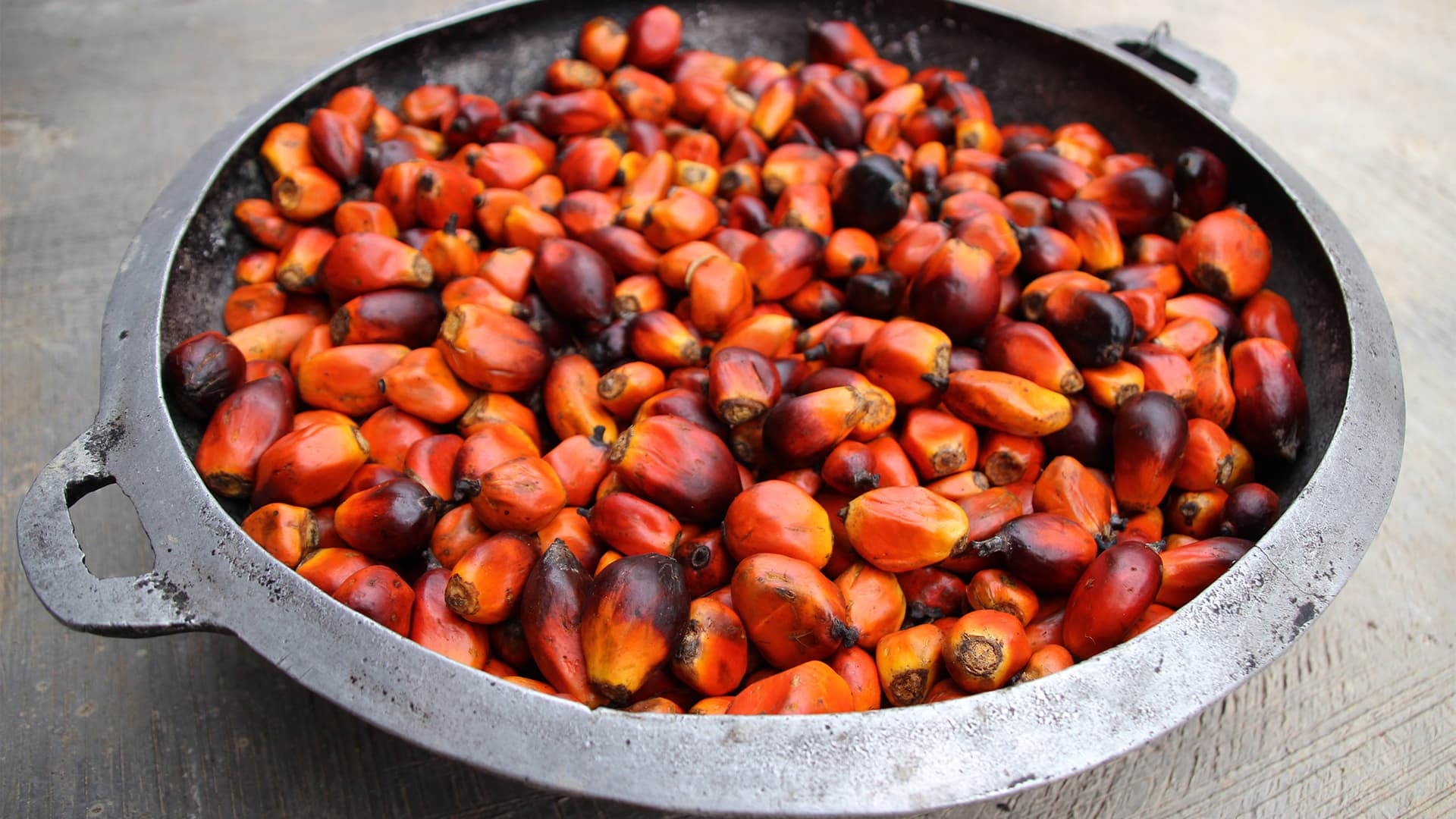
Palm oil is an important raw material in certain applications due to its technological properties. At the same time, its cultivation is associated with ecological and social challenges worldwide – for example, in terms of deforestation, biodiversity and social working conditions. We are aware of this responsibility.
That is why, since 2014, we have been sourcing exclusively RSPO-certified palm oil at the ‘Segregated (SG)’ supply chain level.
Segregated means that the palm oil comes from RSPO-certified sources and is kept separate from non-certified palm oil throughout the supply chain. It may come from several certified plantations/mills, but remains physically separate as a certified product.
We are also committed to additional measures
Certifications are an important lever, but they do not solve all challenges. We see responsible palm oil procurement as an ongoing process. Our goal is to strengthen our impact with clear standards, cooperation in networks and concrete projects.
Palm oil is an complex issue. We have summarised the most important questions and answers about our procurement here.
Do products containing palm oil actually contain physically certified palm oil?
Our products contain physically certified palm oil, which may come from different mills.
Which products do not contain palm oil?
We are helping to limit global demand for tropical fats: wherever technologically and economically possible, we are replacing palm oil with other oils – preferably from local sources. Our products without palm oil:
What does the RSPO standard ensure?
The RSPO standard defines minimum environmental and social requirements for palm oil cultivation. These include the protection of primary forests and ecologically valuable areas, the preservation of biodiversity and the responsible use of water, soil and air. The standard also requires compliance with legal requirements, the protection of labour and land rights, the exclusion of child labour, and the involvement and promotion of smallholder farmers. Compliance with these requirements is regularly monitored by independent, authorised inspection bodies.
What does the Swiss Palm Oil Network Switzerland aim to achieve?
Founded in 2020, Palm Oil Network Switzerland is a centre of expertise and exchange platform for the entire value chain. Together, its members are committed to sustainable palm oil production.
With a revised strategy in 2025, member companies are committing to using only certified palm oil in processed foods and non-food products. In addition, the network promotes the further development of standards such as the RSPO, strenghtens dialogue with suppliers and is directly involved in the countries of origin.

Why and how is the HUG family supporting a project in the Solomon Islands?
Around 55 per cent of our certified palm oil comes from the Solomon Islands. Based on the findings of a study trip by our Chairman of the Board of Directors, we are co-financing a project in 2026 that specifically addresses social and environmental challenges:
What are the technological advantages of palm oil?
Palm oil is one of the few vegetable fats that has a solid consistency at room temperature. It is virtually tasteless and odourless, melts at body temperature and has high heat stability. In addition, palm oil is not hydrogenated, which means that no trans fats are produced, and thanks to its high oxidation stability, it has a particularly long shelf life. Due to these technological properties, palm oil cannot currently be replaced one-to-one by other fats in certain applications, especially in fillings.
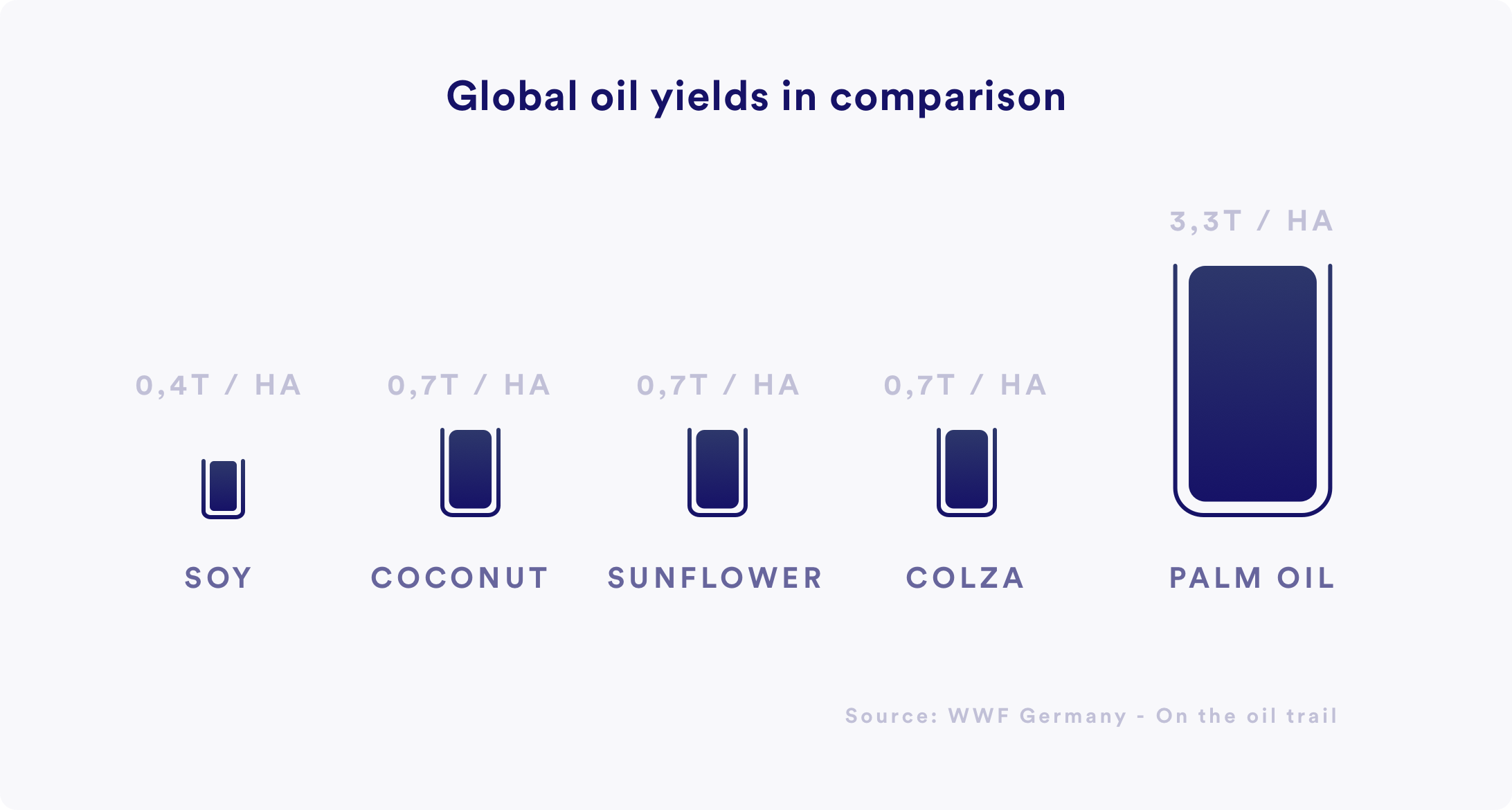
Furthermore, the oil palm is particularly productive compared to other oil plants. It requires significantly less cultivation area, is less susceptible to disease and delivers consistent yields over many years. This makes palm oil the most efficient fat-producing crop in terms of land use and also more economical compared to other vegetable oils.
Part of the family